
The Right Diet for the Right Weight
It is crucial to understand that we must not skip meals. If we exercise on an empty stomach and subsequently eat, the body begins to extract fat from the food it receives and stores it. Exercising while hungry is ineffective. If you are practicing intermittent fasting, you may consume water, lemon water, green tea, black tea, or black coffee beforehand.
A Healthy Food Plate
- Half of our plate should consist of fruits, salads, and vegetables. One-quarter should be carbohydrates (grains), and the remaining quarter should be protein. For protein, opt for paneer (cottage cheese), lentils, yogurt, etc.
- Even if you are consuming roti (flatbread) or rice, it should occupy only one-quarter of the plate. Consuming raw vegetables or fruits boosts metabolism and immunity.
- A dietary plate cannot be identical for everyone; dietitians recommend calorie intake based on an individual's age and profession.
- It is beneficial to cook lentils after soaking them for a few hours. Preparing sprouts from Moong dal (green gram) or chickpeas provides enhanced nutritional value.
- If you frequently experience bloating, avoid gluten-containing foods and dairy products. Key dietary tips: Establish a routine of drinking lemon water on an empty stomach first thing in the morning.
- Do not work out on an empty stomach. Before exercising, you may consume a banana, an apple, or sliced papaya. If you are following an intermittent fasting regimen, opt for green tea instead.
- One hour after your workout, you may eat porridge (daliya), oats, a brown bread sandwich, double-toned milk, or a boiled egg. - Around 11:00 AM, you may have another serving of fruit; however, avoid high-calorie fruits such as bananas, sapodilla (chikoo), or mangoes, as consuming these can lead to weight gain.
- Do not consume tea on an empty stomach. Instead of sugary tea, opt for black coffee or green tea; two cups throughout the day are sufficient. If you have high blood pressure, avoid consuming coffee. — For lunch, you may have rice or 1–2 chapatis, green vegetables, salad, raita, etc.; however, keep your plate size small.
— You may opt for healthy snacks, such as roasted chickpeas or roasted fox nuts (makhana). — If possible, avoid eating items like pizza, pasta, kachoris, and samosas. Also, refrain from consuming packaged biscuits, savory snacks (namkeen), and spicy processed foods.
— If you are a non-vegetarian, you may include boiled non-vegetarian dishes in your lunch or dinner. Avoid preparations that are heavy on oil and spices.
— Do not drink water immediately after a meal; instead, you may drink it half an hour to an hour beforehand. Consuming a glass of water 30 minutes prior to a meal can help prevent overeating. — Eat your food as if you were drinking water—that is, chew it thoroughly until it practically dissolves in your mouth. Conversely, drink water as if you were eating food; this means you should sit down and sip it slowly and leisurely.
— Have your dinner between 7:00 PM and 8:00 PM. Ensure there is a gap of 2 to 3 hours between your last meal and bedtime. If you find yourself eating late, opt for fruits or vegetables instead of chapatis.
- If you need to sit immediately after lunch or dinner, sit in Vajrasana (Thunderbolt Pose); however, those suffering from knee pain should avoid this. Instead, they may practice Surya Kriya. Block your left nostril with a finger, and inhale and exhale exclusively through the right nostril. This stimulates the rapid production of digestive juices. Practicing this for just 10 minutes throughout the day is sufficient. - Avoid eating sweets or ice cream immediately after a meal. If you have a strong craving, opt for a single piece of sweet fruit instead. If you consume milk at night, choose a low-fat option, such as toned milk. - When attending parties, avoid overindulging or stuffing yourself. You might choose to have some salad and half a bowl of rice alongside items like Paneer Tikka.
- Once a week, you may choose to eat one meal out. Rather than observing an entire "cheat day," limit yourself to a single "cheat meal."
Avoid Binge Eating
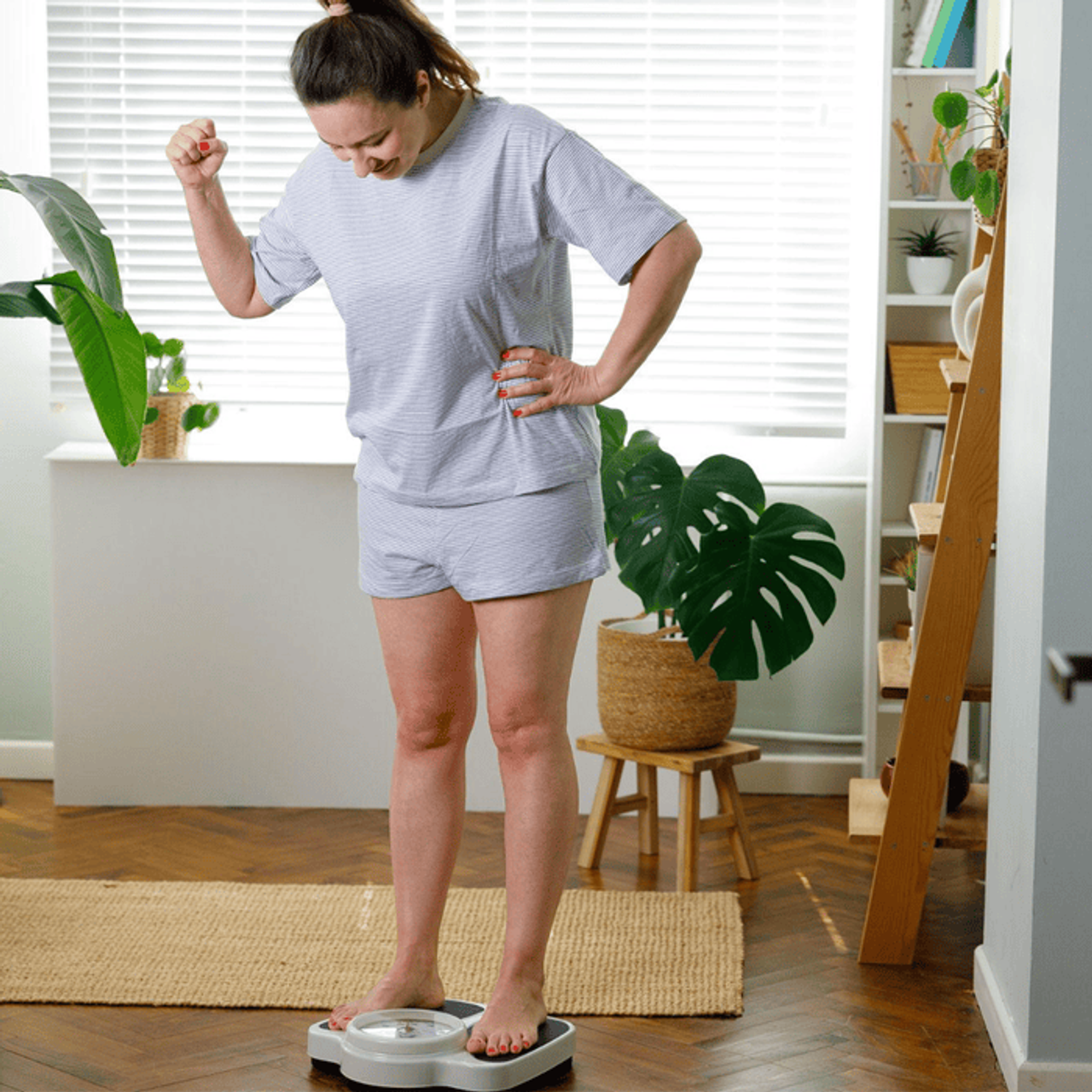
If you feel hungry again shortly after a meal, drink a glass of water. Do not mistake thirst for hunger. You may consume 7–8 glasses of water throughout the day. Avoid snacking on chocolates or unhealthy treats frequently; instead, opt for healthy snacks. We tend to overeat not only when we are happy but often when we are under stress as well. Furthermore, in cases of depression, the body releases hormones that trigger compulsive eating, often leading to the consumption of junk food. However, when the body is under stress, it is unable to digest food properly. Improve Your Lifestyle: According to Ayurveda, one should eat sparingly—specifically twice a day: once after sunrise and once before sunset. This approach mirrors the principles of modern-day intermittent fasting, which involves maintaining a gap of 16–18 hours between meals. During this fasting window, you may consume a glass of buttermilk, lemon water, or water mixed with a spoonful of sattu (roasted gram flour). If you experience intense hunger, snack on dry fruits. Individuals suffering from high blood pressure or diabetes should consult their doctor before adopting this regimen. Optimize Your Sleep
This entails not merely getting 7 to 8 hours of sleep, but also adhering to a consistent sleep schedule—going to bed and waking up at the right times—as deep and uninterrupted sleep is essential for the proper functioning of the body's organs. The period between 10:00 PM and 5:00–6:00 AM is considered the optimal time for sleep. Individuals who sleep for less than 5 hours or more than 8 hours often experience weight gain or struggle to lose weight.
The Necessity of Exercise
As Indians, we typically do not prioritize exercise or consider it an essential part of our routine. In reality, we require at least 30 to 45 minutes of daily physical activity, ideally for at least six days a week. Furthermore, to maintain physical fitness, we can incorporate a specific sport or game into our lifestyle. Ideally, this should be a game that can be played by two or more people, and it can be enjoyed on a rooftop or in a park.
Step Away from Screens
Typically, we spend 16 to 18 hours of our day sitting in front of TV, mobile, or computer screens. Unless we remain physically active, our food will not digest properly, and fat will continue to accumulate around the abdomen. It is precisely this sedentary lifestyle that causes a "tummy"—or protruding belly—to develop by the age of 30 to 35. It is crucial to understand that fat tends to accumulate most rapidly around the abdomen, yet it is the last to disappear, even with regular exercise.
Alternative Solutions
If you are not seeing results from the above measures, or if you find yourself unable to implement them, you may consider the following alternative:
Ayurveda also offers effective remedies for weight loss. Companies such as 'Healdesire' manufacture high-quality Ayurvedic products designed for this purpose. 'LEAN ON' by Healdesire is one such product; it enables you to gain control over your weight within a relatively short period. Moreover, 'LEAN ON' is free from any adverse side effects. Its formulation contains key ingredients such as L-Carnitine, ACV (Apple Cider Vinegar), and Garcinia. It functions as both a metabolism booster and a fat burner.
When Exercising
- Walking, brisk walking, or running is excellent for keeping the body fit, but doing only this is not sufficient. When the goal is weight loss, it is equally important to sculpt the body into the right shape. This objective is achieved through exercise. - A one-size-fits-all approach to exercise does not work for everyone. You should avoid exercising in the gym on your own without the guidance of a trainer. Initially, all exercises should be performed for shorter durations and at a lower intensity. For instance, if you are doing a plank, hold it for 30 seconds rather than a full minute. - You should not perform the exact same exercises throughout the entire week. Some people focus exclusively on cardio (running, jogging, cycling, swimming, brisk walking), which is an incorrect approach. While this does lead to weight loss, it can cause the muscles to become loose and flabby. Therefore, it is essential to perform exercises specifically targeting the abdomen and flanks to reduce belly fat and strengthen the muscles in those areas.
- Be sure to incorporate resistance training (also known as strength training or weight training), such as lifting dumbbells or using resistance bands to stretch your arms and legs. For facial muscle exercises, do not forget to laugh and smile! Also, cultivate the habit of chewing on something throughout the day; you can snack on a bowl of roasted chickpeas or five almonds over the course of the day.
- The body comprises seven major muscle groups. Aim to target one specific group each day, whether you are exercising at the gym or at home. Focus your attention on the lower back, legs, shoulders, upper back, biceps, and triceps. To strengthen your legs, you can perform squats; for the lower back, try deadlifts; for the chest, do push-ups (or chest presses at the gym); and if you have a place to hang from at home, perform pull-ups. For your shoulders, perform arm raises; you can do this at home using a one-liter water bottle filled with water, or at the gym using dumbbells. - If you are attempting to lose a significant amount of weight—specifically 5–6 kilograms or more within a single month—by engaging in excessive exercise at the gym or rigorous running, this approach is incorrect. Such rapid weight loss can lead to physical weakness and may even result in the weakening of your bones. It is advisable to aim for a gradual weight loss of only 2 to 3 kilograms per month; do not attempt to lose weight at a faster pace than this. - You can begin focusing on muscle building after the age of 16. However, you may engage in weight training exercises prior to that age; specifically, you can perform exercises that do not require gym equipment—such as push-ups and squats. Dedicated muscle-building regimens can be undertaken once you have turned 16.
When it comes to building muscle, if your protein requirements can be adequately met through home-cooked meals, you should avoid turning to supplements, as they often contain preservatives. On average, a typical individual requires approximately 0.75 to 1 gram of protein per kilogram of body weight.
This requirement can be easily fulfilled through a home-based diet rich in sources such as lentils, cottage cheese (paneer), eggs, and similar foods.


