
Welcome to Healdesire!

Healdesire Private Limited

FAQ

.

FAQs for Shilajit

  How long does Shilajit take to work? 

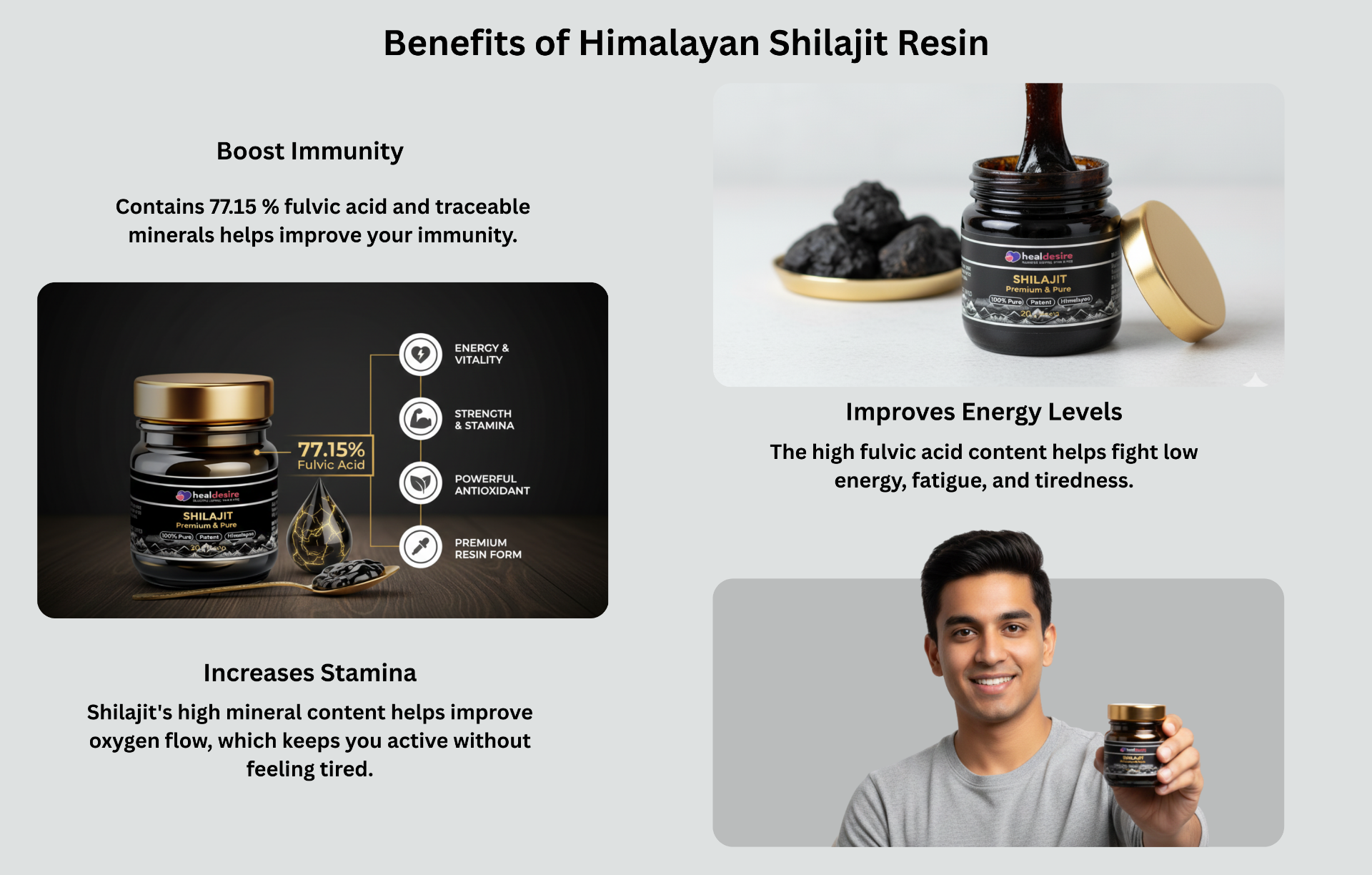
Daily consumption of HealDesire Shilajit during the first 4 weeks helps support energy and immunity. With continued use for up to 8 weeks, it supports stamina and helps manage everyday stress. After 12 weeks, it may support overall male vitality. For best results, consume once daily after a meal.

  When should Shilajit be consumed? 

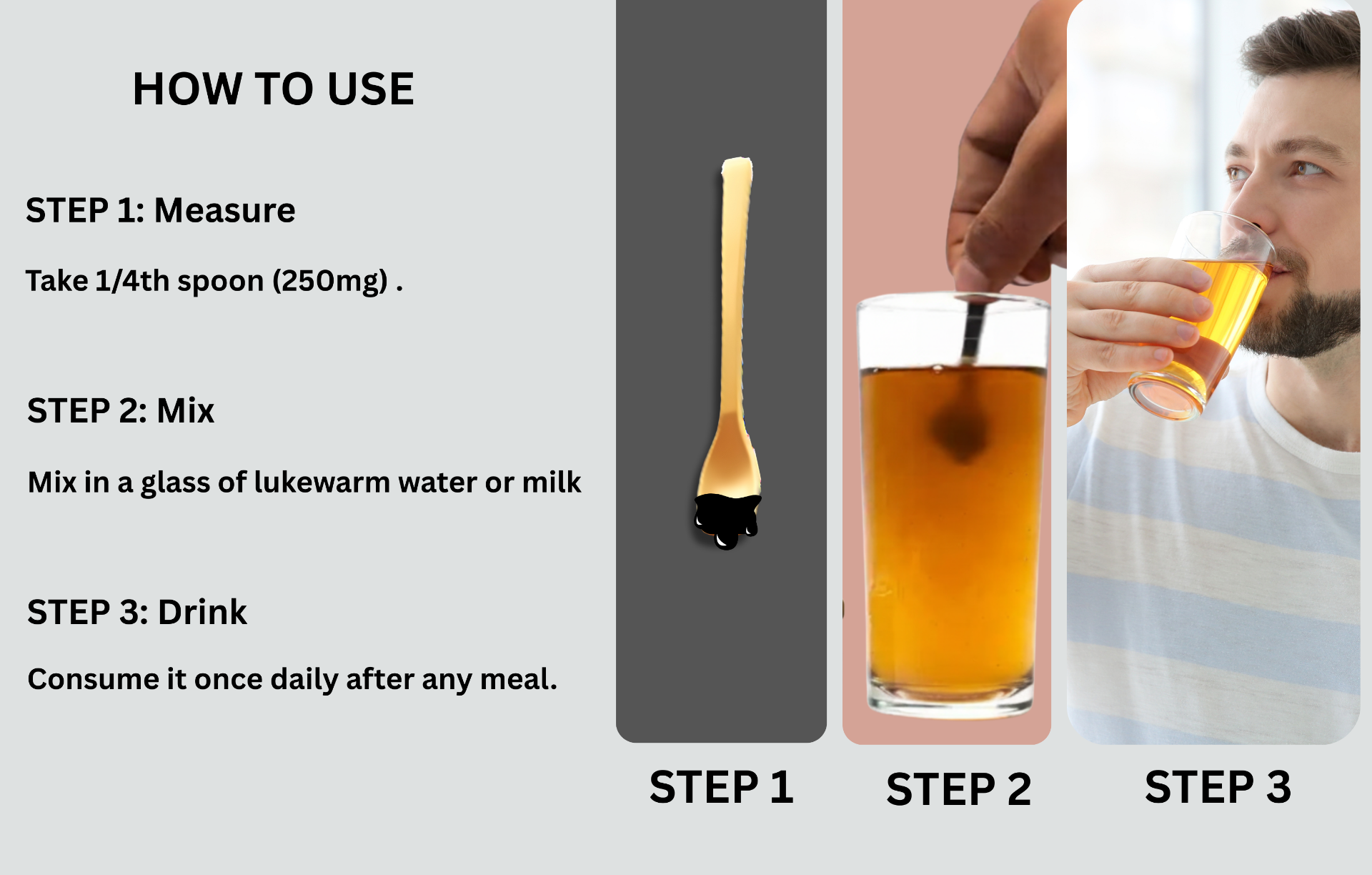
HealDesire Himalayan Shilajit is recommended at a dosage of ¼ spoon, once daily after any meal.

 Is Shilajit safe to consume in summers? 

Yes, HealDesire Shilajit is safe to consume in summer. It can be taken with lukewarm water or milk for better taste.

 What is the recommended dosage? 

HealDesire Himalayan Shilajit should be consumed in a quantity of ¼ spoon once daily after a meal.

 How to consume Shilajit in winter when it becomes hard? 

Shilajit resin is temperature sensitive. Hardening during winters is a sign of purity. Heat the tip of a spoon or knife, take the required quantity, and consume it. Dissolution may be slow, so lukewarm milk is recommended.

 Is HealDesire Shilajit vegetarian? 

Yes, HealDesire Shilajit is a 100% vegetarian product.

 Can both men and women consume Shilajit? 

Yes, HealDesire Himalayan Shilajit can be consumed by both men and women.

 How does HealDesire ensure authenticity and purity? 

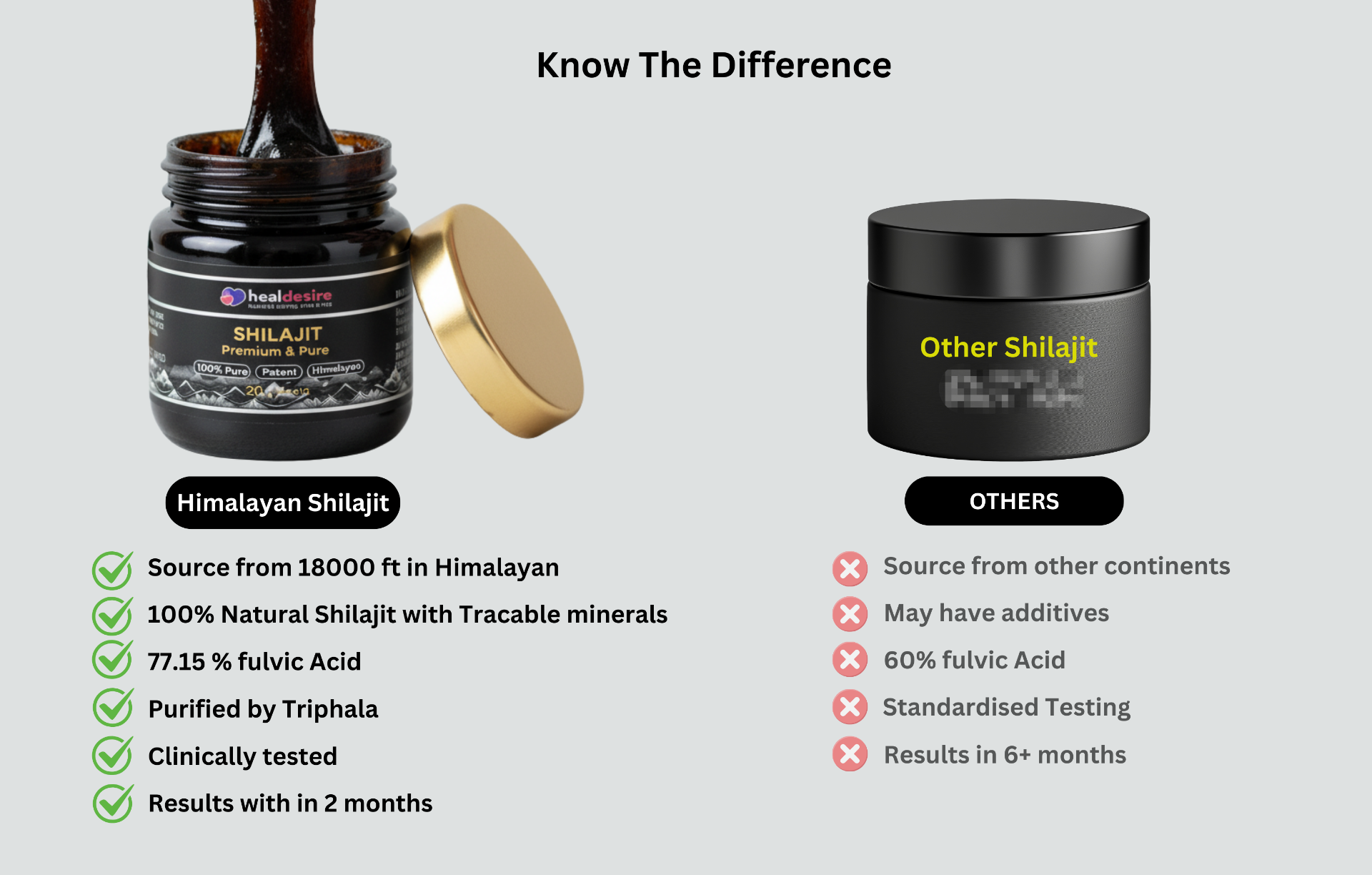
HealDesire Shilajit Resin is tested for 20+ quality parameters in NABL- and Eurofins-accredited laboratories. Test reports are available for reference.

 Does Shilajit help with tiredness and lethargy? 

Yes, HealDesire Shilajit helps fight tiredness and lethargy as it contains 77.15%+ fulvic acid and essential minerals that naturally support energy, stamina, and testosterone levels.

 What is the expiry date of HealDesire Shilajit? 

HealDesire Shilajit can be used for up to 3 years from the date of manufacturing.

.hd-faq-section { padding: 20px; background: #ffffff; font-family: "Inter", system-ui, -apple-system, BlinkMacSystemFont, sans-serif; } .hd-faq-container { max-width: 900px; margin: 0 auto; } .hd-faq-header { text-align: center; margin-bottom: 40px; } .hd-faq-title { font-size: 34px; font-weight: 700; color: #1f2933; } .hd-faq-list { display: flex; flex-direction: column; gap: 14px; } .hd-faq-item { border: 1px solid #e5e7eb; border-radius: 14px; overflow: hidden; } .hd-faq-toggle { display: none; } .hd-faq-question { display: flex; justify-content: space-between; align-items: center; padding: 18px 22px; cursor: pointer; font-size: 15px; font-weight: 600; color: #111827; background: #f9fafb; } .hd-faq-icon { width: 18px; height: 18px; position: relative; } .hd-faq-icon::before, .hd-faq-icon::after { content: ""; position: absolute; background: #1a7f4b; transition: transform 0.25s ease; } .hd-faq-icon::before { width: 18px; height: 2px; top: 8px; left: 0; } .hd-faq-icon::after { width: 2px; height: 18px; top: 0; left: 8px; } .hd-faq-toggle:checked + .hd-faq-question .hd-faq-icon::after { transform: scaleY(0); } .hd-faq-answer { max-height: 0; overflow: hidden; padding: 0 22px; font-size: 14px; line-height: 1.7; color: #374151; background: #ffffff; transition: max-height 0.35s ease, padding 0.3s ease; } .hd-faq-toggle:checked ~ .hd-faq-answer { max-height: 300px; padding: 16px 22px 22px; }